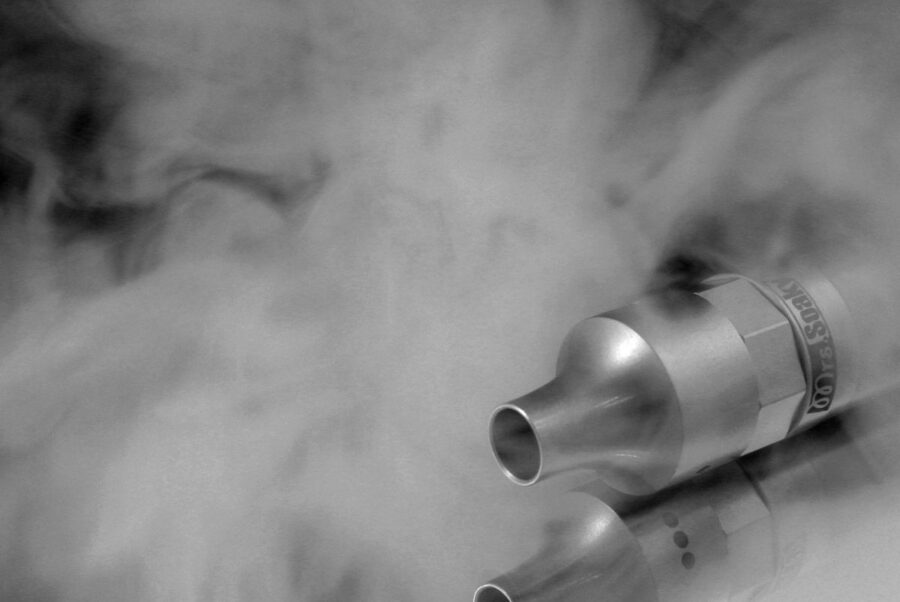
Ireland’s smoking landscape is changing as consumers pivot from traditional tobacco to vaping devices and e-cigarettes. This shift reflects evolving public health priorities, new laws around the sale of tobacco products and nicotine, and Irish consumer demand for alternatives that may help smokers quit. As regulation tightens, vape shops and retailers adapt, balancing innovation in vaping products with restrictions designed to tackle risk and protect young people.
The Rise of Vaping in Ireland
Vaping in Ireland has grown rapidly as smokers explore e-cigarettes and nicotine inhaling products that contain nicotine in controlled doses. A vape device, kit, or tank paired with e-liquid offers an experience many perceive as lower risk than smoking tobacco. Public health messaging, HSE guidance, and legislation on tobacco products and nicotine have influenced the sale of vapes, shaping how retailers advertise and package these electronic cigarettes.
Understanding the Shift from Cigarettes to Vaping
Smokers are moving from cigarettes to e-cigarettes for convenience, flavour variety, and perceived health benefits when trying to quit. While nicotine is addictive, vaping products allow consumers to manage intake via liquids and tanks. Regulation and the smoking ban in indoor public places, public transport, and near schools has restricted smoking tobacco, nudging behaviour toward devices that do not combust tobacco and may reduce exposure to additives.
Current Trends in Vape Sales
Sales are rising through vape shops and mainstream retailers, with demand for refillable tank systems and step-down nicotine strengths. New laws restrict how shops advertise, and amendments to national law are tightening the sale of tobacco and electronic cigarettes. Retailer data point to rising demand for refillable tank systems, HSE-aligned quit tools, and nicotine strengths that help a smoker progressively step down by 2026 as regulation continues to evolve.
Consumer Preferences for Vape Flavours
Adults seeking to quit prefer simple fruit, mint, and tobacco flavours at moderate nicotine levels. Retailers report that adults seeking to quit prefer simple, clean flavours that contain nicotine at moderate levels, while regulation aims to restrict options that may appeal to young people. Anticipated legislation may ban certain additives and limit packaging and colour cues, aligning flavour choice with public health goals and responsible shop practices.
Legislation and Regulations Surrounding Vaping
Ireland’s evolving framework targets youth protection, product standards, and risk reduction. National law and HSE guidance shape the sale of tobacco and vaping products, tightening how retailers advertise and package e-cigarettes and kits. Amendments through 2026 aim to restrict youth access, standardise nicotine inhaling products, and reduce risk from additives and colours that could appeal to young people.
Irish Laws Impacting E-Cigarette Sales
Age verification, packaging and labelling rules, and nicotine limits are mandatory. Retailers must register, maintain traceability, and restrict promotions near schools and on public transport. Amendments to national law govern cross-border sale, product notifications, and health warnings, ensuring devices, tanks, and e-liquids that contain nicotine meet safety and quality standards across Ireland.
| Requirement Area | Key Points |
|---|---|
| Retailer Obligations | Register, maintain traceability, restrict promotions near schools and on public transport |
| Regulatory Scope | Cross-border sale, product notifications, health warnings; safety and quality standards for devices, tanks, and nicotine e-liquids |
The Ban on Certain Vape Products
Non-compliant strengths, prohibited additives, and youth-targeted disposables face bans. Regulation in Ireland includes a ban on specific vape products that present heightened risk, such as non-compliant nicotine strengths, misleading flavour descriptors, or e-liquids with prohibited additives. Policymakers target disposable items and products that advertise to young people through bright colour packaging. These restrictions tackle smoking uptake, close loopholes in the sale of tobacco products and nicotine, and align with HSE priorities.
| Targeted Item or Issue | Regulatory Action |
|---|---|
| Non-compliant nicotine strengths, misleading flavours, prohibited additives | Ban on specific vape products that present heightened risk |
| Disposable items and youth-oriented packaging (bright colours) | Restrictions targeting products that advertise to young people |
These measures are intended to reduce smoking uptake, close loopholes in the sale of tobacco products and nicotine, and align with HSE priorities.
Advertising Restrictions for Vaping Products
Strict limits curb youth appeal and prohibit health or glamour claims for non-smokers. Retailers face strict rules on how they advertise e-cigarettes, limiting sponsorships, influencer promotions, and point-of-sale displays that may entice the young. Advertising cannot associate vaping with a health benefit for non-smokers, glamour, or social success. Shops must follow content and placement restriction standards, including distance from a school and compliance on public transport and indoor public places under Irish legislation.
Vape Shops and Retailers in Ireland
Vape shops guide adult smokers toward compliant, lower-risk alternatives and verify age. Retailers curate certified kits, tanks, and nicotine strengths, verify age, and explain law-mandated packaging. They advertise responsibly, align with HSE advice, and support public health by steering smokers from smoking tobacco to controlled nicotine inhaling products with reduced harm potential.
The Role of Vape Shops in Promoting Vaping
Shops educate on devices, dosing, flavours, and quit strategies within legal limits. A specialist vape shop educates the smoker on device operation, nicotine dosing, and flavour selection within legal limits. Staff emphasise quit strategies, step-down liquids, and maintenance of tanks to minimise risk. By implementing legislation on the sale of tobacco and vaping products, shops promote responsible vaping and restrict youth access, reinforcing national law and HSE-endorsed harm reduction pathways across Ireland.
Types of E-Liquids Available in Shops
Regulated strengths, tested ingredients, and clear warnings dominate assortments. Irish retailers stock e-liquids that contain nicotine in regulated strengths, offering tobacco, mint, and fruit flavours with compliant additives. Products include freebase and nicotine salt liquids for different devices and tanks. Packaging follows colour and labelling rules, including warnings. Shops prioritise tested ingredients, batch traceability, and formulations designed to help adults quit while meeting strict regulation on vaping products.
| Aspect | Details |
|---|---|
| Product types | Freebase and nicotine salt e-liquids for different devices and tanks |
| Compliance and safety | Regulated nicotine strengths, tested ingredients, batch traceability, compliant additives |
| Flavours | Tobacco, mint, and fruit |
| Packaging | Colour and labelling rules with clear warnings |
Single Use vs. Reusable Vape Products
Reusable, refillable kits are favoured for control, cost, and reduced waste; disposables face tighter restrictions. Consumers in Ireland weigh single use vapes against reusable kits. Reusable devices with refillable tanks offer controlled nicotine intake, lower long-term cost, and reduced waste, aligning with regulation and public health objectives. Single use items face increasing restriction and potential ban due to youth appeal, bright colour packaging, and environmental concerns, prompting retailers to promote durable e-cigarette solutions for smokers seeking to quit.
Smoking Cessation: Vaping as a Tool to Quit
Vaping is positioned as a structured quit aid under HSE guidance and Irish law. In Ireland, vaping is increasingly positioned as a structured quit smoking aid within public health strategies, where controlled nicotine inhaling products can help the smoker transition away from smoking tobacco. Under Irish legislation and HSE guidance, a vape device, kit, or tank using e-liquid that may contain nicotine offers dose control and behavioural substitution while complying with national law and advertising restriction.
How Vaping Helps Smokers Quit
Refillable devices enable nicotine step-down and reduce exposure to combustion by-products. Vapes mimic the hand-to-mouth routine of a cigarette while delivering nicotine in a less harmful aerosol without tobacco combustion. A refillable device and tank let consumers step down nicotine strength over time, manage cravings, and avoid the most toxic by-products of smoking. Vape shops provide product education, flavour preferences, and quit plans aligned with HSE advice and regulation.
Success Stories of Smokers Transitioning to Vaping
Many Irish smokers report gradual nicotine reduction and eventual cessation using tailored liquids and support. Irish smoker testimonies often cite switching from tobacco to an e-cigarette with a tailored liquid as pivotal to quitting. Retailer support, compliant packaging, and straightforward kits help maintain engagement. Many report reducing nicotine levels monthly, moving from higher salt liquids to lower freebase strengths, and ultimately stopping vaping products, all within the framework of current law and shop restrictions.
Challenges Faced by Smokers Trying to Quit
Addiction, flavour fatigue, device complexity, and evolving regulations can hinder quitting. Barriers include nicotine’s addictive nature, flavour fatigue, device complexity, and stigma amplified by how some media advertise risks. Regulation can restrict certain products, and a ban on disposables may disrupt familiar formats. Consumers also face rules on use in indoor public places, public transport, and near schools, while inconsistent liquids or additives can undermine confidence if retailers lack quality controls.
The Future of Vaping in Ireland
Expect tighter rules through 2026 and a shift toward compliant, refillable devices. Ireland’s vape market will evolve under new laws and national law amendments through 2026, balancing public health objectives with consumer access. Expect tighter rules on packaging, colours, additives, and the sale of tobacco products and nicotine, alongside clearer HSE guidance for smokers seeking to quit. Retailers and vape shops will adapt device portfolios to prioritise compliant, refillable electronic cigarettes.
Predictions for Vape Market Growth
Growth will likely concentrate in reusable kits, traceable e-liquids, and step-down ranges. Market growth should shift from single use to reusable kits and tanks as regulation and potential bans take hold. Retailer investment in safer devices, traceable e-liquid, and nicotine step-down ranges will expand. As consumers prioritise risk reduction over smoking, sales of compliant vaping products and e-cigarettes that contain nicotine in moderated strengths are likely to increase steadily.
Potential Changes in Legislation
Stricter flavour descriptors, disposable bans, and enhanced verification are on the horizon. Forthcoming legislation may introduce an expanded ban on disposables, stricter flavour descriptors, tighter limits on how shops advertise, and enhanced age verification. An amendment could standardise nicotine caps, ingredient disclosure, and packaging warnings, and restrict displays near schools and on public transport. By 2026, Ireland may further align tobacco products and nicotine controls with EU-level public health aims.
Shifts in Consumer Attitudes Towards Smoking and Vaping
Harm reduction is gaining acceptance, with preference for simple flavours and transparent labelling. Irish consumer sentiment is moving toward harm reduction, with more smokers viewing a regulated e-cigarette as a pragmatic quit tool rather than a lifestyle product. Awareness of the smoking ban, additive risks, and HSE guidance is reshaping choices. As trusted retailer advice improves, adults prefer simple flavours, transparent labelling, and kits that support quitting within clear regulation and law.